
How Often Should Your Office Be Cleaned? A Practical Frequency Guide
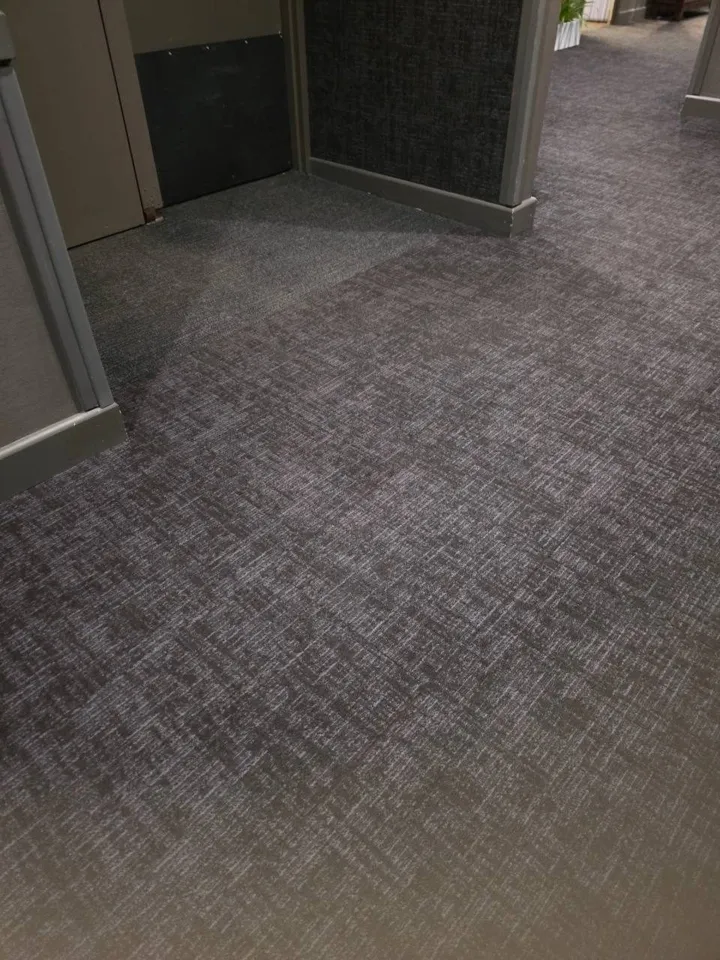
"How many nights a week do we need?" is usually the first question an office manager asks when getting cleaning proposals. It is a fair question, but it is the wrong place to start. Frequency should be set area by area and task by task, based on how your building is actually used. A restroom used by forty people needs attention every service visit. A conference room booked twice a week does not.
This guide walks through how to set a cleaning schedule that fits your building, so the proposals you get are built on the same plan and easy to compare.
Start with how the building is used
Before talking to any vendor, write down a few facts. They drive frequency more than square footage does:
- Headcount on a normal day. Hybrid offices may have very different traffic on Tuesday than on Friday.
- Visitors. Patients, tenants, customers or drivers coming through the front door raise the standard for lobbies, entrances and restrooms.
- Restrooms and breakrooms. These show use first and usually set the minimum number of visits.
- Hours of operation. Multiple shifts or weekend hours change when, and how often, cleaning can happen.
- Problem areas. The spots that already look bad by mid-afternoon tell you where the schedule is too thin.
Split the scope into three layers
A good written scope separates work into layers instead of treating every task as nightly:
- Every visit: trash and recycling, restrooms, breakroom counters and sinks, touchpoints like door handles and light switches, entrance glass, and vacuuming of main walkways.
- Weekly or rotating: detailed dusting, full vacuuming of private offices, conference rooms, baseboards in high-traffic areas, interior glass and partitions.
- Periodic: high dusting, vents, and other tasks that only need attention every few months, scheduled on a calendar so they do not get forgotten.
Our office cleaning checklist shows how these layers look in a written scope.
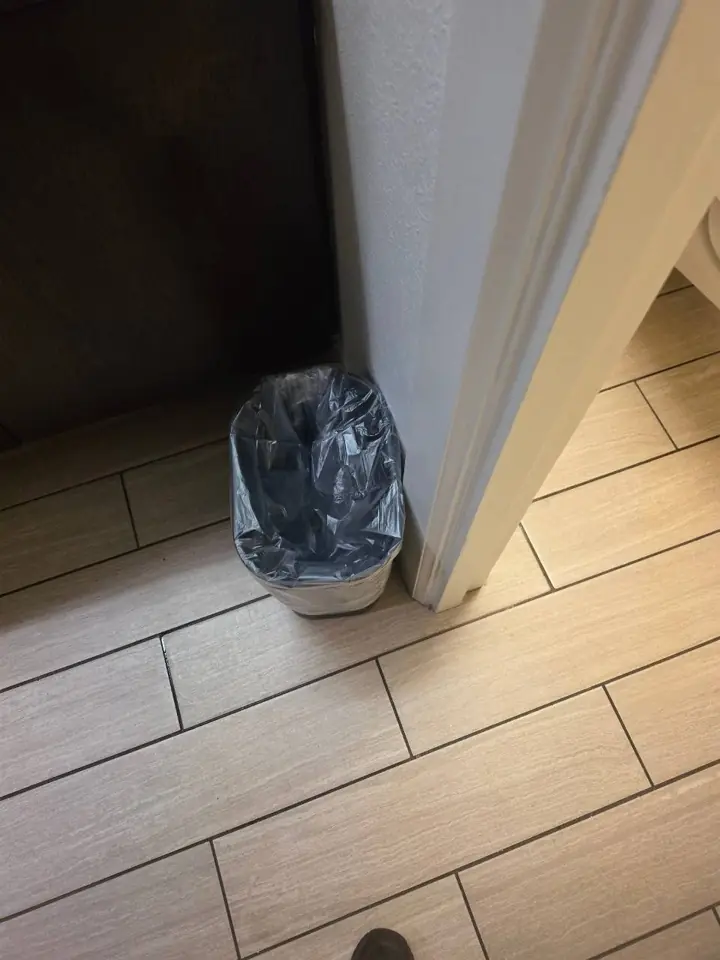
Typical starting points by building type
These are starting points to discuss during a walkthrough, not rules. The right answer depends on your traffic and your standards.
- Small office with few visitors: often two or three visits a week, with restrooms and trash on every visit.
- Busy or customer-facing office: usually service every business day, at least in lobbies, restrooms and breakrooms.
- Dental and medical practices: typically every day the practice is open, because patient areas, restrooms and touchpoints need consistent attention. See our medical office cleaning checklist and dental office cleaning checklist.
- Managed properties and common areas: set by traffic in lobbies, mailrooms, elevators and shared restrooms. Busy entrances may need more visits than upper-floor corridors.
- Warehouses and distribution centers: offices, breakrooms and restrooms often follow the shift schedule, while production or dock areas follow their own plan. More in our distribution center cleaning guide.
When nightly service is not enough
If restrooms run out of supplies by noon or the lobby looks rough after lunch, adding more night visits will not fix it. The problem happens during the day. That is where a day porter fits: someone on site during business hours for restrooms, spills, breakrooms and the front entrance. Our guide to day porter vs nightly janitorial service explains how to tell which one your building needs.
Signs your schedule is wrong
- Restrooms or breakrooms look used well before the next visit
- Trash overflows on certain days of the week
- Staff start cleaning things themselves
- Visitors comment on the entrance or restrooms
- You are paying for nightly work in rooms nobody used
Too much frequency in quiet areas wastes budget. Too little in busy areas costs you reputation. A good vendor will tell you both.
How to know the schedule is being followed
A schedule only matters if the visits happen. Ask every vendor how you will know a visit took place and what was done. We use GPS-verified check-in on every visit and send photo reports, so you can see that the crew was on site and what the work looked like. The same crew works your building, which keeps the routine consistent. If something is missed, we schedule the correction. Read more about what a cleaning service report should include.
Adjusting frequency over time
Your first schedule is a starting point. Headcount changes, hybrid days shift and new tenants move in. Review the schedule after the first month of service and again whenever occupancy changes. Because we work month-to-month with no long-term contract, adjusting the scope does not mean renegotiating a multi-year agreement.
The bottom line
Do not start with "how many nights." Start with how your building is used, split the scope into layers, and ask how you will see proof that each visit happened. We offer a walkthrough and written proposal within 48 hours for offices, medical and dental practices, managed properties and warehouses across the Indianapolis metro, Lafayette, Bloomington and Terre Haute.
Frequently asked questions
How often should a small office be cleaned?
Many small offices with few visitors start at two or three visits a week, with restrooms and trash handled every visit. Traffic, visitors and how fast restrooms show use matter more than square footage.
Should a dental or medical office be cleaned every day?
Most practices are cleaned every day they see patients, because waiting rooms, restrooms and touchpoints need consistent attention. The written scope should list which areas get attention on each visit.
Is it better to add more night visits or a day porter?
If problems appear during business hours, such as restrooms running low by midday, a day porter usually solves it better than extra night visits.
How do I know the cleaning crew came on the scheduled night?
Ask the vendor for proof of each visit. We use GPS-verified check-in on every visit and send photo reports.
Can I change cleaning frequency after service starts?
Yes. Frequency should be reviewed after the first month and whenever occupancy changes. With a month-to-month agreement, scope changes do not require a new long-term contract.
Related guides and services
- Office cleaning checklist for Indianapolis facilities
- Day porter vs nightly janitorial service
- How to compare commercial cleaning bids
- Office cleaning in Indianapolis
Want a written scope for your building?
Free walkthrough, written scope and proposal. Month-to-month, no long-term contract.
Request a Free Walkthrough or call (463) 710-8700